
 Desert
What a Thar Desert Camp Actually Includes
Camel rides, folk music, dinner under the stars — the honest breakdown of a night on the dunes.
Read guideCarved sandstone, a living fort, and one unforgettable night on the dunes — everything to know before you head west to the edge of the Thar.
Some Rajasthan cities are destinations on their own terms. Jaisalmer is the frontier. Sitting 100 km from the Pakistan border, it was once the last stop for the camel caravans that hauled silk and spice across the Thar — and it still feels like the edge of the map. The Golden City glows amber in the afternoon light, its fort rising like a sandcastle from the desert floor.
This guide is the one we hand travellers before they head west: how to spend your two nights, what the fort and the havelis actually demand of your time, and — the part everyone asks about — what a night at a Thar desert camp genuinely includes, from the camel ride to the folk music and campfire dinner.
Jaisalmer does not greet you gently. The drive in is long, flat and dry, and then the city appears like a mirage — every building cut from pale yellow sandstone that turns to gold at sunset. It is best to arrive with an afternoon in hand rather than racing in from the highway, because the first sight of the fort over the rooftops is one of Rajasthan's great moments.
Because the town is compact, two nights is the ideal stay: a full day for the fort and the havelis, and one night out at the desert camp. Our Jaisalmer tour package covers exactly that rhythm with the camp night folded in. If you are coming from the Blue City, the Jodhpur–Jaisalmer desert trail strings the two together without backtracking.
Fort, havelis, the Sam sand dunes and a night in a Thar desert camp — private cab, tented stay, camel ride and dinner included.
View this packageUnlike Rajasthan's hilltop forts, Jaisalmer Fort is alive. Around a quarter of the old town still lives inside its walls — temples, havelis, shops and restaurants share the lanes, and you can spend half a day without repeating a corner. Arrive early to beat the heat; the fort's own palaces and the Jain temples fill by late morning.
A few hundred metres below, the town's merchant havelis are the real showpiece. Patwon Ki Haveli (a cluster of five mansions), Salim Singh's and Nathmal's are each an essay in stone carving — filigree balconies, archways and jharokhas chiselled by craftsmen generations ago. Half a day covers all three at a relaxed pace, with chai stops in between.
Walk the fort lanes after 5 pm, when the day-trippers leave and the sandstone turns honey-gold — this is the Jaisalmer postcards can't capture.
If you pair the city loop with a wildlife detour, ask about the longer Rajasthan wildlife routes that join Jaisalmer with the reserves further east. For most travellers though, the desert itself is the second half of the story — and it deserves its own day.
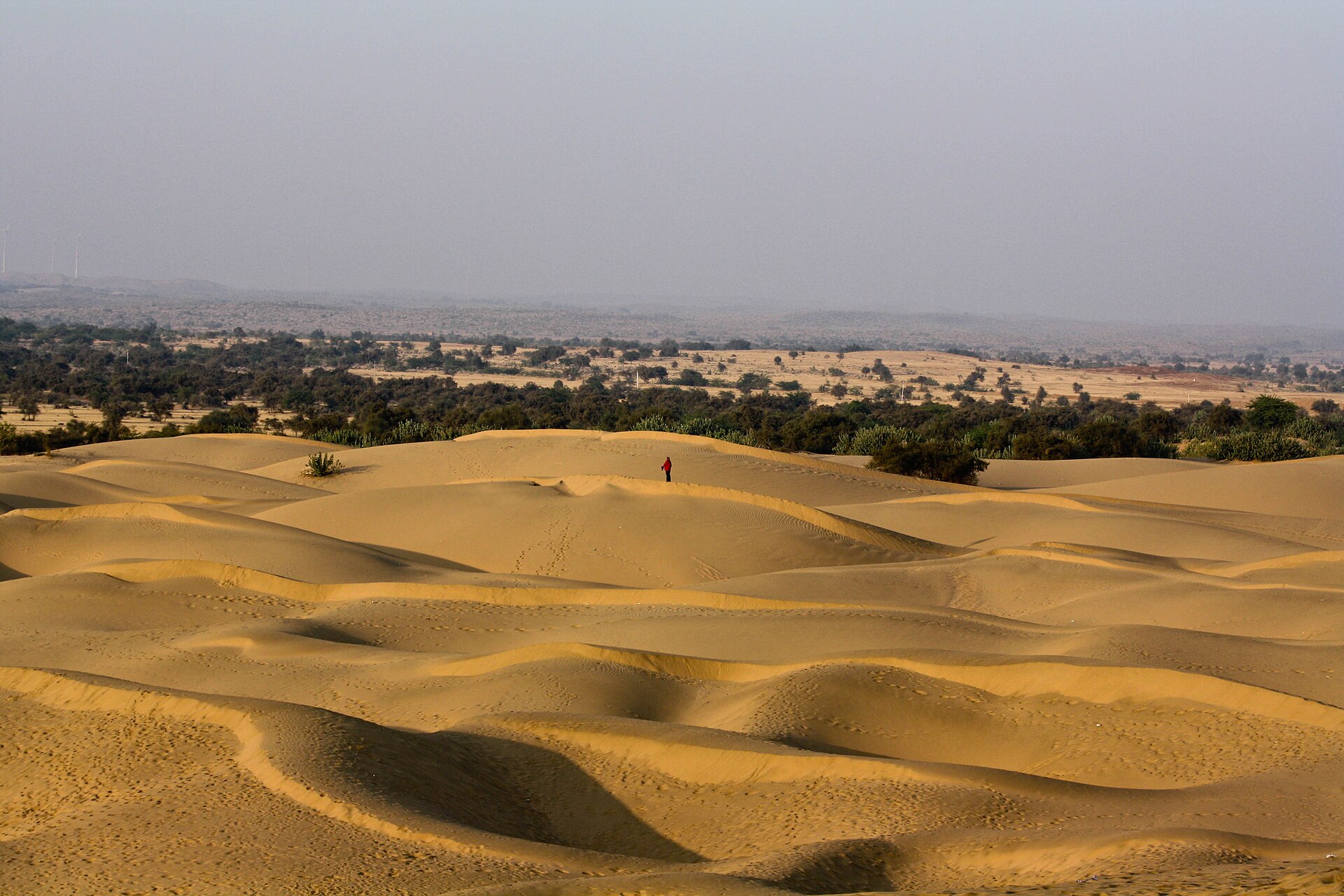
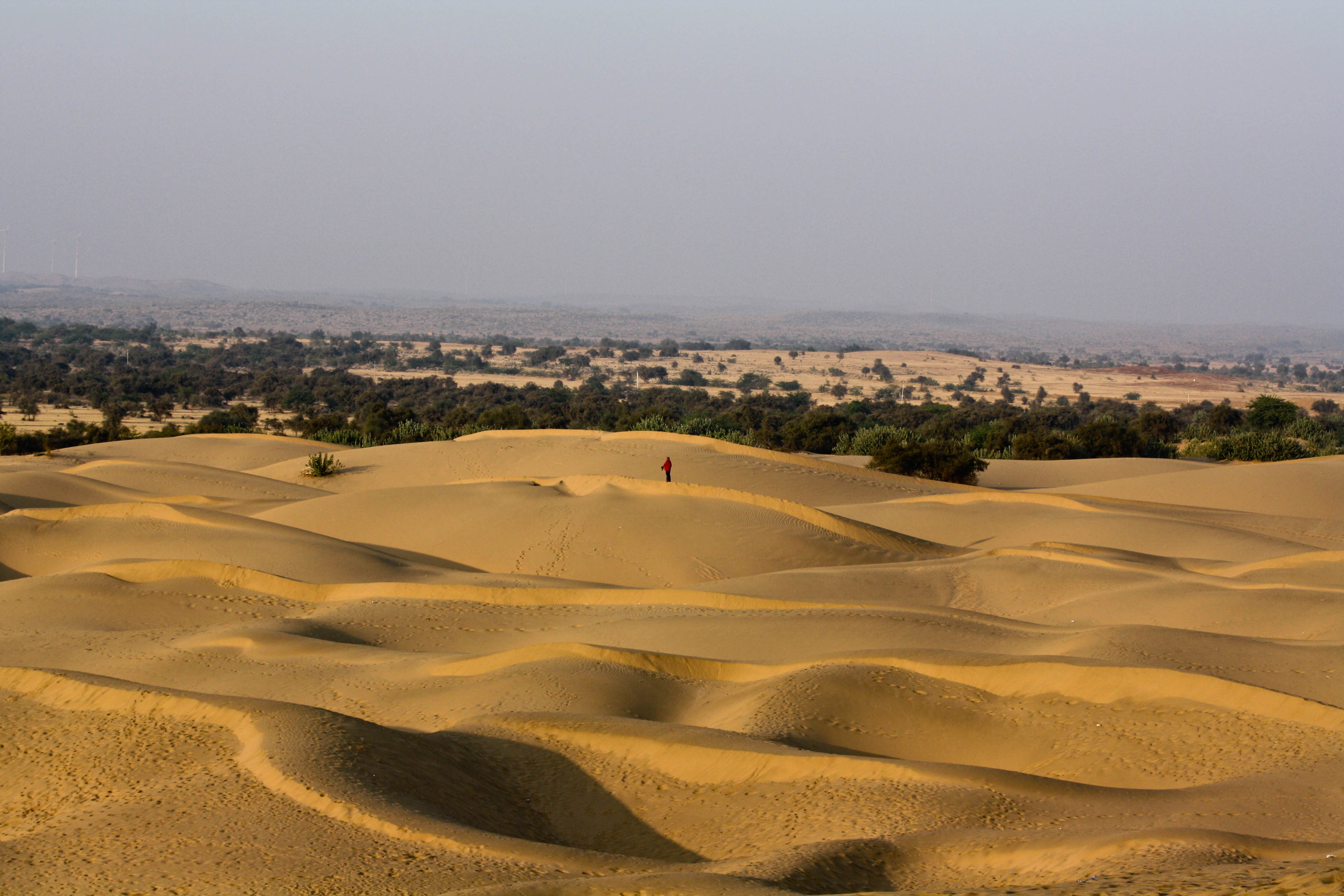
The classic second afternoon goes like this: you drive about 40–50 minutes from the city to the dunes — most camps are around Sam sand dunes, the most reliable stretch of open sand — and arrive in the late afternoon for the ride that everyone remembers.
Camps range from basic to genuinely luxurious. The sophisticated ones have proper beds, attached bathrooms with hot water and Rajasthani interiors — this is not a rough camping trip unless you want it to be. Our full account of what the nights and mornings hold is in the Thar desert camp guide; the short version is that the campfire, the music and the silence between them are the reason people return.
A sunset Osian desert option swaps the long Sam drive for a half-day ride from Jodhpur — and the Osian temple clusters make a fine sightseeing detour on that shorter route. Back in Jaisalmer, a dawn camel ride at Gadisar Lake is a quiet, photogenic alternative for a second morning.
Jodhpur to Jaisalmer to Bikaner — a longer Thar circuit with camps, forts and the desert hamlets in between, for travellers with more days.
See the Desert TourOctober to March is the window. Daytime temperatures stay pleasant while the desert nights drop cool enough for a campfire; in December and January they can fall to 5°C, so pack layers. Summer is punishing — Jaisalmer is one of Rajasthan's hottest towns, and even well-equipped camps run at half their charm.
Getting there is the honest part of planning. Jaisalmer is a 5–6 hour drive from Jodhpur, and about 9 hours from Jaipur — it is genuinely far west, which is why it so often waits for a longer itinerary. A private cab is the comfortable option; our desert camp guide covers the joining logistics.
You can also fly — Jaisalmer's airport runs direct services from major cities, which rescues the short-stay traveller who wants the fort and one night on the dunes without a day of driving each way. It is the option to take if your total trip is under a week, which is why our Bikaner–Thar heritage and Rajasthan grand tour itineraries treat the desert as a dedicated block rather than a squeeze.
Desert
Camel rides, folk music, dinner under the stars — the honest breakdown of a night on the dunes.
Read guide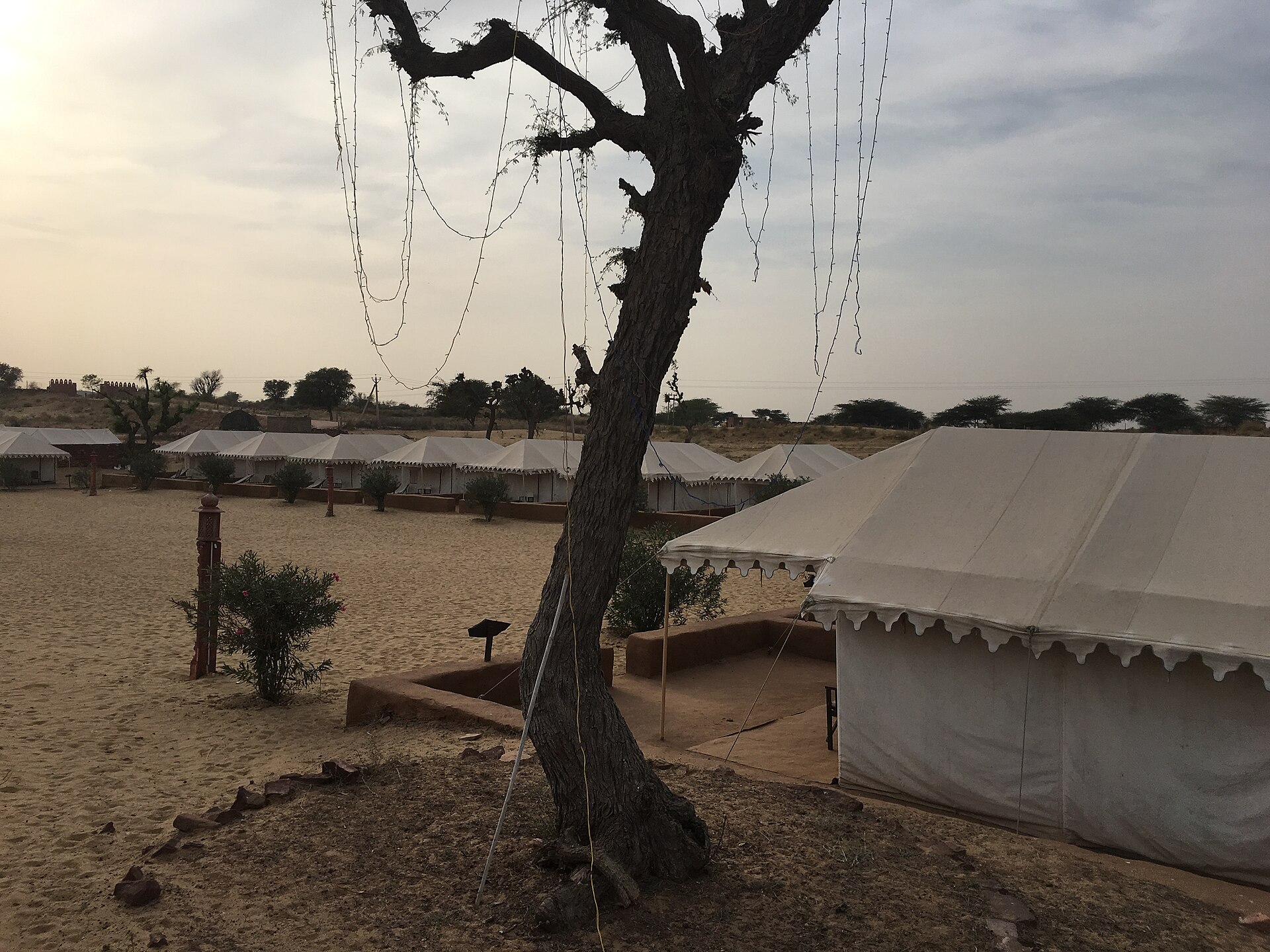 Planning
From a four-day Golden Triangle taste to a twelve-day grand tour — honest day counts for every pace.
Read guide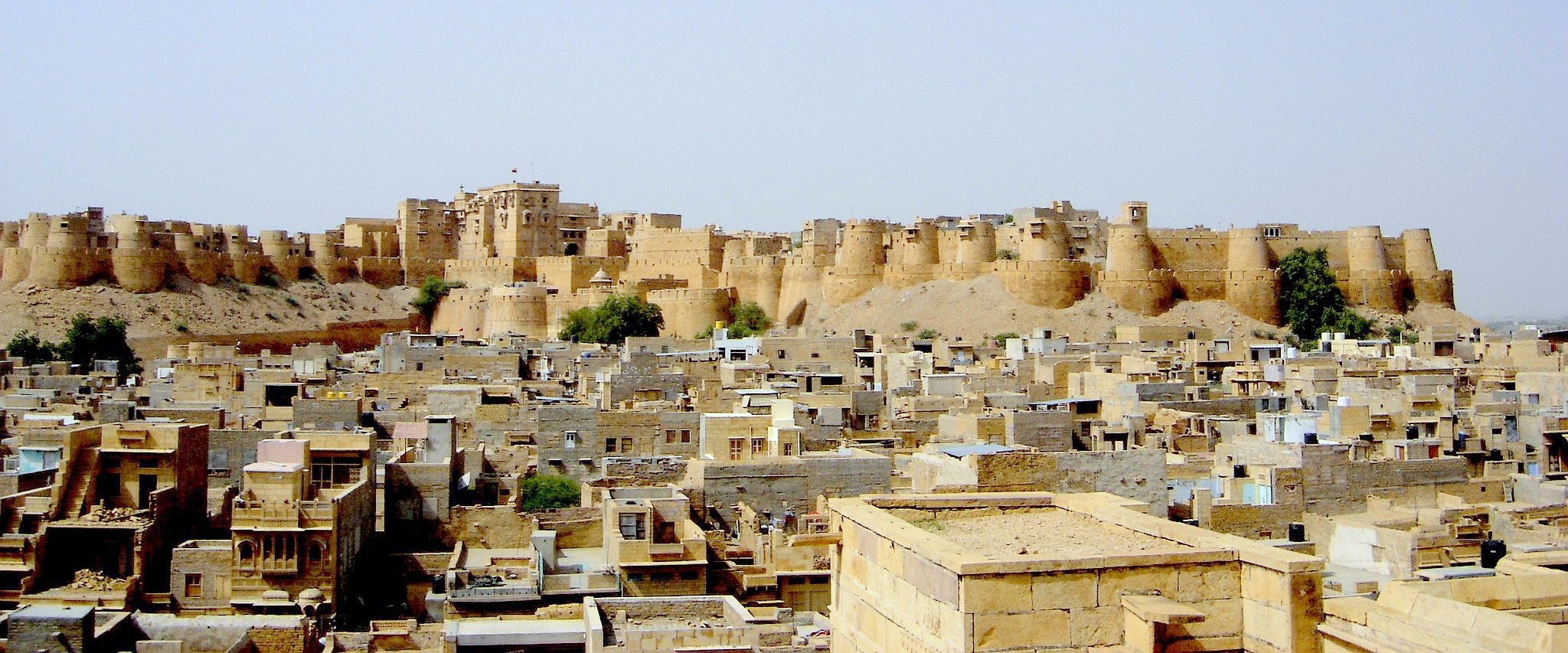 Planning
Month by month on weather, crowds and festivals, so the desert window falls inside your trip.
Read guide