Rajasthan Travel Tips: 15 Things to Know Before You Go
Packing for the desert, manners at the fort, money for the bazaar — the practical tips we wish every first-timer knew before their first long drive across Rajasthan.
TTripoom EditorsRajasthan travel experts
12 Sep 2026 7 min read Travel tips
Rajasthan rewards the prepared. After years of guiding first-timers through its forts, bazaars and desert nights, we have learned that the questions that actually matter are rarely about palaces — they are about money, temperatures and road times. This guide is the exact list we now hand every new guest before they land: fifteen practical Rajasthan travel tips, from packing for the desert to the one sentence that ends a tout's sales pitch.
Some of these tips sound obvious once you read them. That is the point — nobody tells you them at the airport, and they are exactly the difference between a trip that flows and one that spends its afternoons negotiating with a rickshaw driver.
Plan the Pace, Not Just the Places
First-timers consistently under-budget drive time. Rajasthan is bigger than it looks: Jaipur to Jodhpur is roughly five and a half hours on the road, Jodhpur to Jaisalmer another five, and Udaipur sits a full day's drive south-west. Nothing undoes a grand tour faster than a plan that promises three cities in three days.
Count hours, not kilometres. Once truck convoys, tolls and chai breaks are added in, 200 km takes far longer than you expect. Plan one long transfer per day, no more.
Two nights per city is the minimum. A single night loses half a day to check-in and luggage; two nights buys you one full sightseeing day between the drives. It is also how we pace our Rajasthan tour for senior travellers, who usually take the slowest, happiest version of the loop.
Leave one day loose. The best moments of a trip — a bazaar wander, an unplanned camel ride — happen in the gaps. Our Rajasthan weekend getaway shows how much even 48 hours can hold when the pace is honest.
Rajasthan's trick is that it is cold at night and fierce at noon, and both extremes can hit in the same day. Pack for range, not just sunshine.
Layers beat one heavy coat. Between November and February, mornings in the desert dip close to freezing while afternoons climb past 25°C. A thermal layer, a mid-layer and a light jacket flex better than wool.
Sunscreen, sunglasses and a hat are non-negotiable. The sun at 30°C over the Thar feels sharper than at 38°C in a coastal city, and it finds every bit of exposed neck.
Carry a scarf or dupatta everywhere. It covers shoulders at temples, shields your neck on an open-jeep safari and doubles as a dust mask on windy fort ramparts.
Closed shoes win on fort days. They handle narrow staircases and sun-heated marble; sandals leave the tops of your feet looking like a bazaar print by evening.
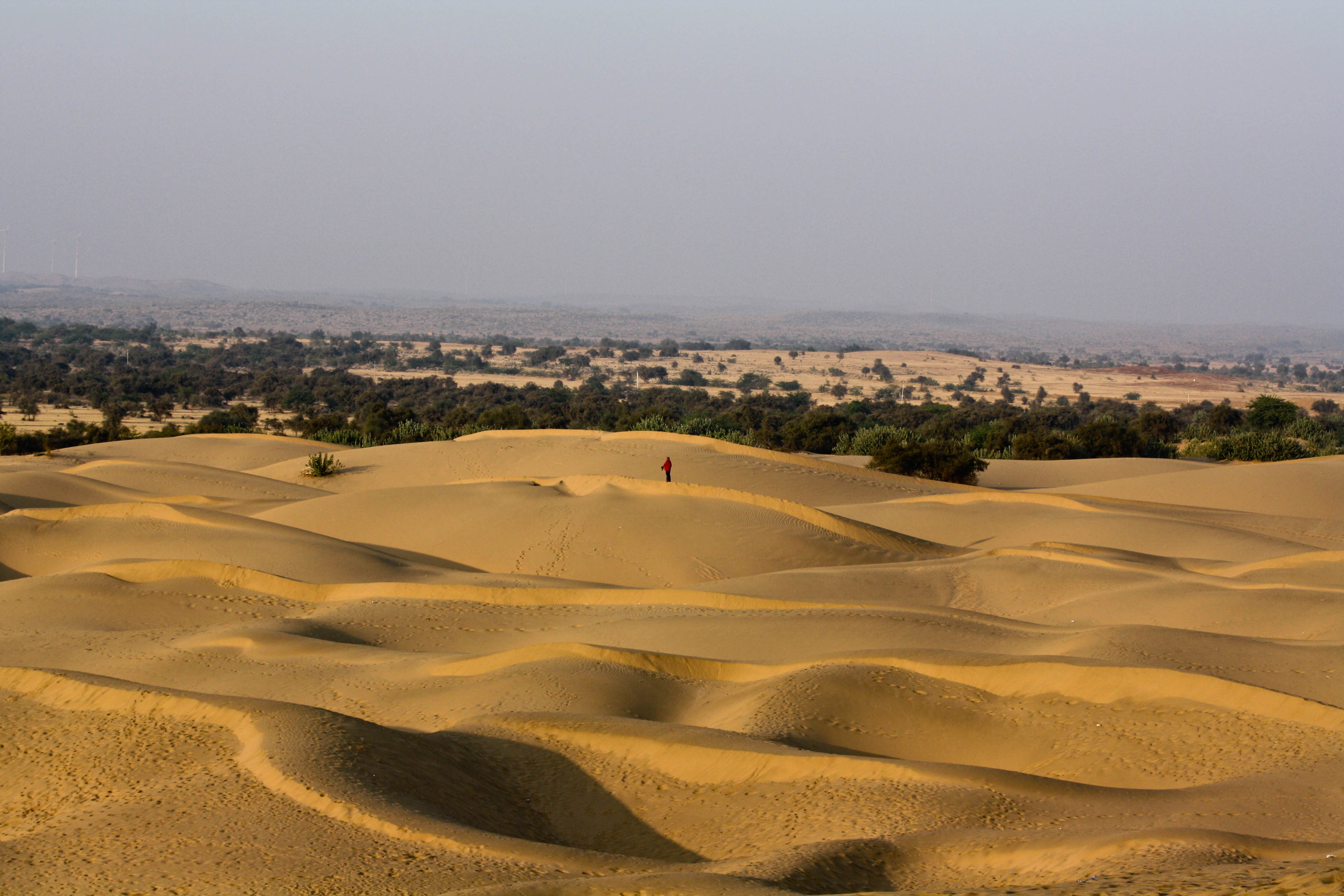
The Thar Desert — warm days, near-freezing nights, and the reason your packing list needs layers.
If you are still choosing when to go, our month-by-month guide to the best time to visit Rajasthan sorts the weather, the crowds and the festivals for you — it determines more of your packing than any single item in this list.
Temple Dress Codes & Cultural Etiquette
Rajasthan is deeply religious, and the dress codes are simpler than travellers fear — you just want to know them before you reach the door, not at it.
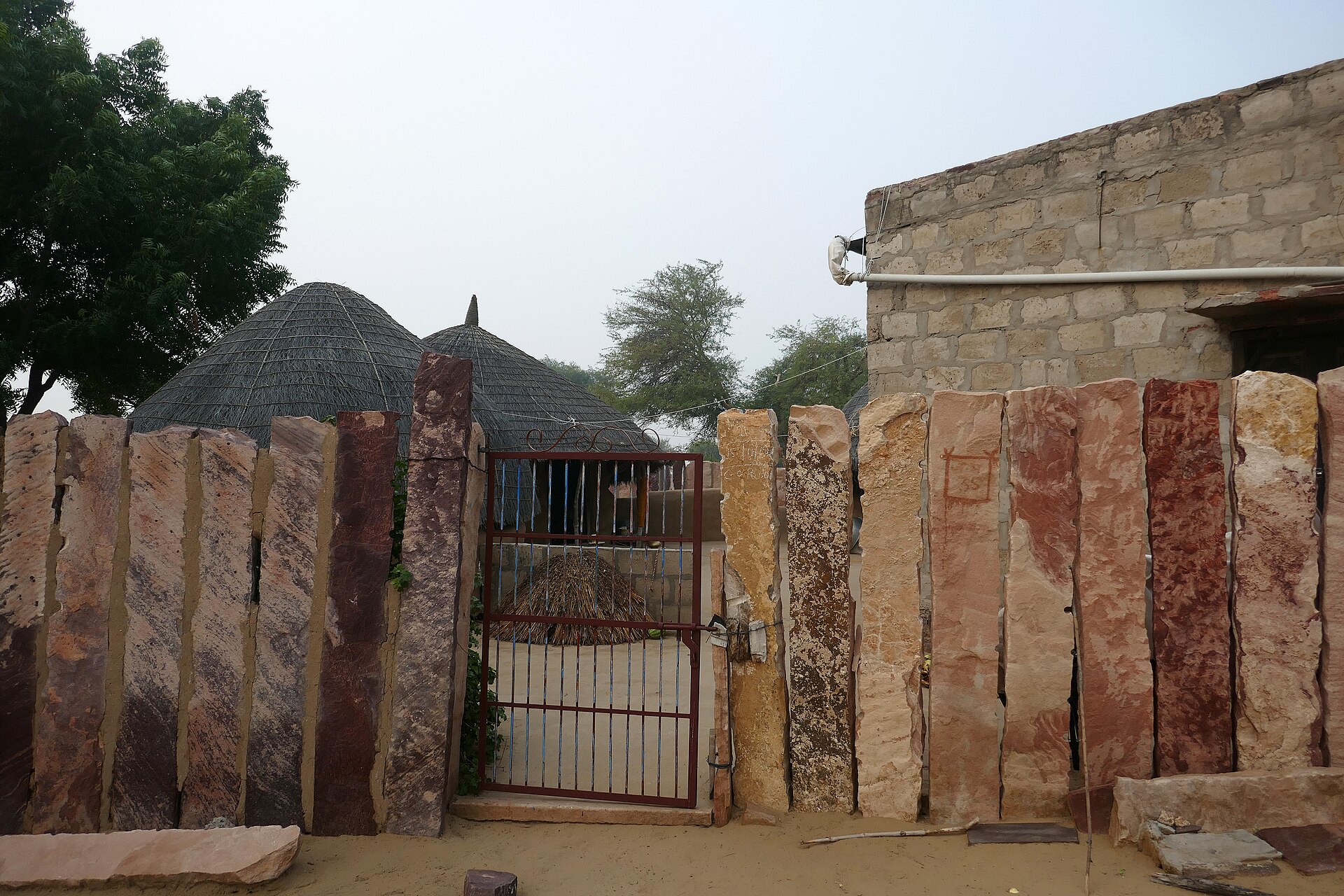
Village Rajasthan rewards a slow afternoon — and the camera etiquette that keeps welcome intact.
Cover shoulders and knees in temples. Most major shrines hand out cloth at the entrance if you arrive in shorts, but arriving covered saves the fumble.
Shoes come off at temples and most stepwells. Expect a chowkidar watching the pile — a few rupees tucked his way keeps your pair exactly where you left it.
Flash photography is banned in several shrine interiors, and guards enforce it. Ask before pointing a lens at sadhus or pilgrims: many will happily pose, and a small tip is customary afterwards.
A firm, smiling 'no thank you' ends touting fastest. Touts at fort gates and bazaar lanes open with a pitch and close with a price drop. Rudeness feeds the game; a warm but final refusal ends it.
Villages and their painted havelis are some of the most photogenic corners of the state — our Rajasthan photography tour builds in early-light fort visits and village stops precisely so you can shoot respectfully without chasing crowds.
Money, Tipping & Bargaining
Plastic is slowly winning, but the desert still runs on cash — and on hands that know how to negotiate it.
The first price in a Rajasthan bazaar is a conversation opener, not an insult — offer about half, walk away slowly, and you'll both end up enjoying the game.
Carry small notes. A sheaf of ₹10s and ₹20s buys the chai, settles the parking at a busy fort and tips the driver who found it. ATMs exist in every city but thin out dramatically between them.
Tipping runs light. Most restaurants and hotels include a service charge nowadays. A rounded-up bill, or ₹100–200 to a multi-day driver at the end of the trip, is plenty.
Bargaining has rules of play. The opening price at bazaars and monument shops is often double a fair price. Offer about half, walk away slowly, and the item will follow you for two streets before you settle a step or two from the middle.
ATMs for foreign cards still trip up. Withdraw in Jaipur, Jodhpur or Udaipur before a long desert stretch; not every petrol-pump terminal cooperates.
The honest answer on cost is also the shortest route to a better trip — here is what a first visit to the classic loop actually runs to.
Price planningRajasthan Budget Tour
The real, itemised cost of a first Rajasthan trip — comfortable hotels, a private cab and local guides, on a plan that shows exactly where every rupee goes.
Your choice between cab and train sets the tone for the whole trip. Most first-timers we host choose a private cab with a driver, and for good reason: it turns parking, language and the best roadside parantha stalls into the driver's problem rather than yours. It also anchors flexible packages like the Rajasthan tour from Delhi, where the driver collects you at the airport and does not hand the keys back for a week.
Trains stitch the big cities well but nibble your day on station transfers and fixed timings. For a first visit, a driver's flexibility usually wins.
Drink bottled or filtered water only, and treat 'fresh' juice stalls with caution. The reward is a stomach calm enough to enjoy a full thali.
Eat where the locals queue. A busy counter is a health certificate and a taste review in one.
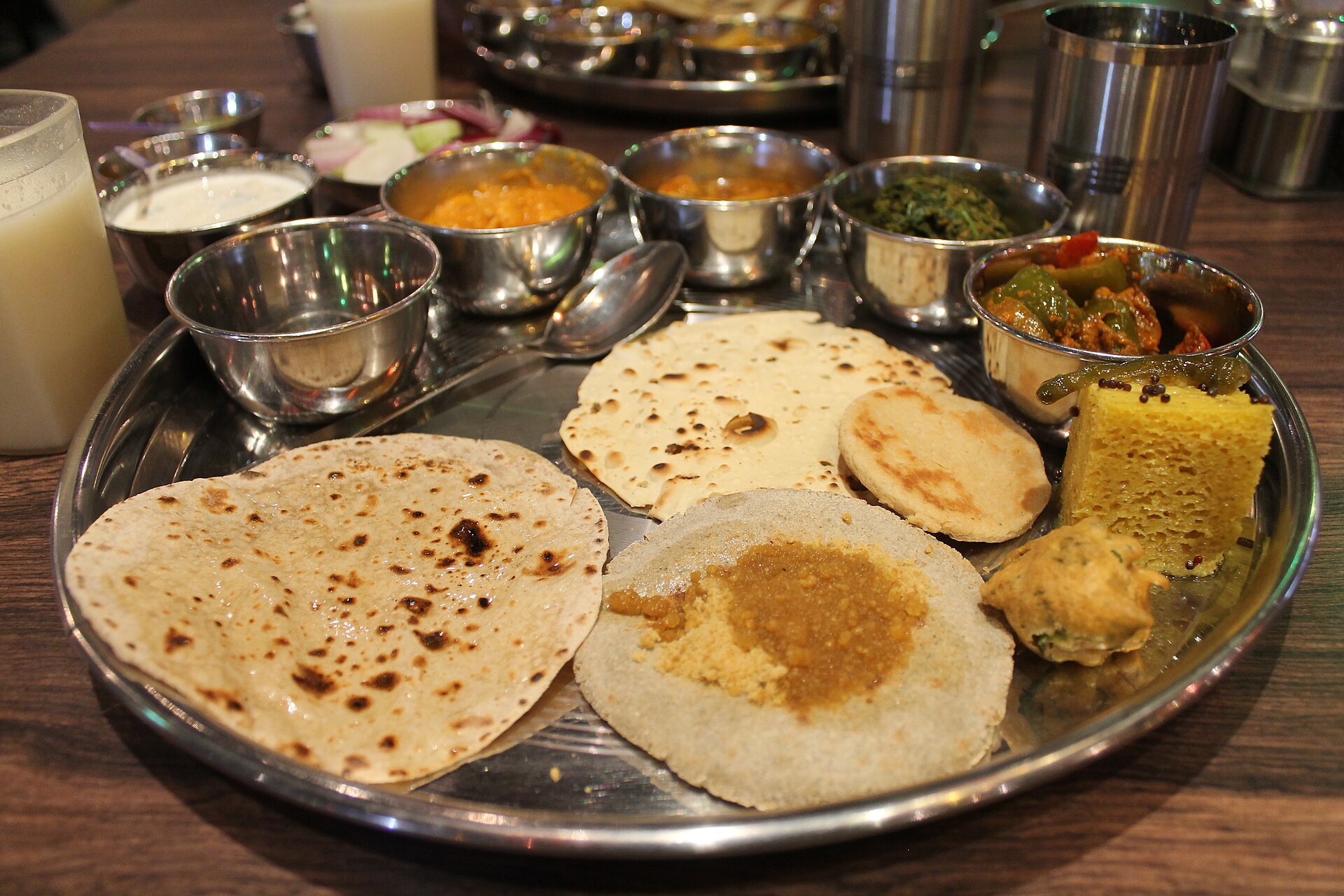
Dal baati churma — the hearty dish that fuels your fort days, best eaten where the queue is longest.
If the Taj Mahal is non-negotiable, the Rajasthan with Taj Mahal package tags Agra cleanly onto the same loop. And when the road food gets interesting — and it will — our guide to what to eat in Rajasthan lists the dishes worth planning your stops around.
Digestive upsets are the most common hiccup on a first Rajasthan trip. Bottled water everywhere, no ice unless filtered, and let your stomach catch up before the day's second chai.
Longer and slowerThe Rajasthan Grand Tour
Ten to twelve days — the four classic cities, Jaisalmer and a night in the Thar. The trip for when your leave finally lets you travel at desert pace.
Yes — for ordinary travellers it is as safe as anywhere in India, and most first-trip anxieties are really about crowded bazaars and busy roads. Keep valuables out of reach in crowds, stick to well-reviewed hotels and drivers, and you will be fine. Thousands of first-time visitors finish Rajasthan trips every season without incident.
What is the best time to visit Rajasthan?
October to March. The days are warm rather than fierce and the clear winter light is ideal for photography — but it is also peak season, so book early. Avoid April–June when the desert heats up properly, and July–September when rain slows forts and roads.
How much does a Rajasthan trip cost?
A comfortable first trip to the classic Jaipur–Jodhpur–Udaipur loop starts at roughly ₹22,000–35,000 per person depending on season, hotel tier and nights covered. For a fully transparent figure, the Rajasthan budget tour shows the honest itemised cost of a great trip that doesn't break the bank.
Is bargaining expected in Rajasthan?
Yes — at bazaars, monument shops and with auto rickshaw and camel-ride touts, the first price always expects negotiation. It is a friendly two-round game: offer about half, let the seller counter, and settle a step or two from the middle. It rarely applies in fixed-price shops, restaurants or hotels.
T
Written byTripoom Editors
The Tripoom team plans customised Rajasthan trips for travellers from across India and the world — these are the practical tips we hand every first-time guest alongside their itinerary.

 Planning